Permaculture is the art and science of designing human beings’ place in the environment. Permaculture design teaches you to understand and mirror the patterns found in healthy natural environments. You can then build profitable, productive, sustainable, cultivated ecosystems, which include people, and have the diversity, stability, and resilience of natural ecosystems.
Permaculture designs can be applied to households, major agricultural enterprises, and even entire bioregions. Permaculture integrates disciplines relating to food, shelter, energy, water, trees/plants, wildlife, livestock, weather, waste management, economics and social sciences. These integrated designs create systems capable of yielding far more than the output of conventional systems. Permaculture can reclaim devastated lands, roll back deserts, build just social/economic systems, and design planet-based livelihoods.
Most design systems are defined by a “market driven” ethic. Such designs are subservient to the conclusions of a short term cost/benefit analysis, discounting or ignoring such factors as environmental degradation or destruction of human community. Permaculture departs from any other design system in that it is guided by a common sense ethical system. This system forms the criteria for design decisions. The difference is in the ethic:
- Care of the Earth,
- Care of the People of the Earth, and
- System surpluses distributed in accordance with the first two ethics.
Briefly, when a design component isn’t ecologically sound, community-building, and careful in its use of resources, then it’s pretty unlikely that it will work out in the long run. This ethic is the basis of sustainability and also makes excellent, long-term business sense. Systems designed with these ethics are ecologically sound, economically stable, community building, and don’t leave future generations with a cleanup bill for today’s enterprise.
Briefly, when a design component isn’t ecologically sound, community-building, and careful in its use of resources, then it’s pretty unlikely that it will work out in the long run. Most design systems are defined by a “market-driven” ethic. Such designs are subservient to the conclusions of a short-term cost/benefit analysis, discounting or ignoring such factors as environmental degradation or destruction of human community.
The permaculture ethic is the basis of sustainability and also makes excellent, long-term business sense. Systems designed with these principles are ecologically sound, economically stable, community-building, and don’t leave future generations with a cleanup bill for today’s enterprise.
—David Blume has certified over 500 people as permaculture designers. He also consults on a wide range of projects, including helping landowners assess the permacultural potential of their property.
More Permaculture Info & Resources
What “Whole Systems Design” Means in Permaculture

Non-Commercial Permaculture Tools, References, and Resources
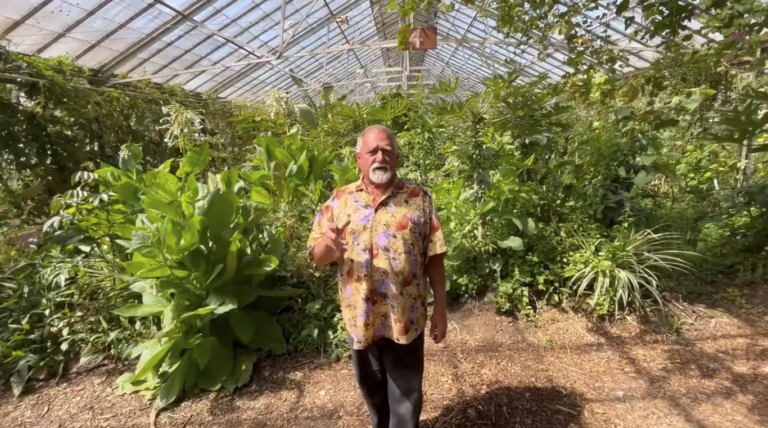
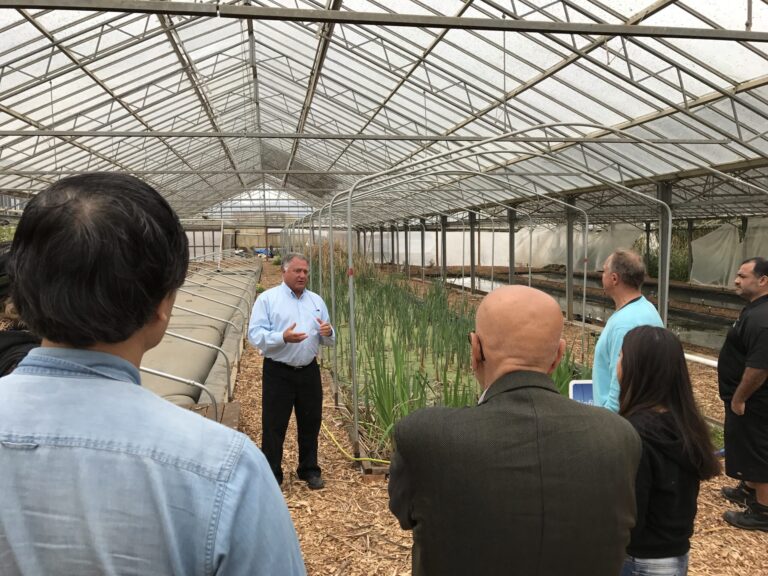
“Farmer Dave” Blume Gives a Tour of the Greenhouses at Whiskey Hill Farms