Skip to content
permaculture.com

permaculture.com

Whole Systems Design with David Blume

  • Home
  • Permaculture Info & Resources
  • Organic Alcohol
  • David Blume Consulting & Speaking
  • Toggle search form

Category: Organic Alcohol

Profitable Surplus: Sargassum Solutions

Profitable Surplus: Sargassum Solutions

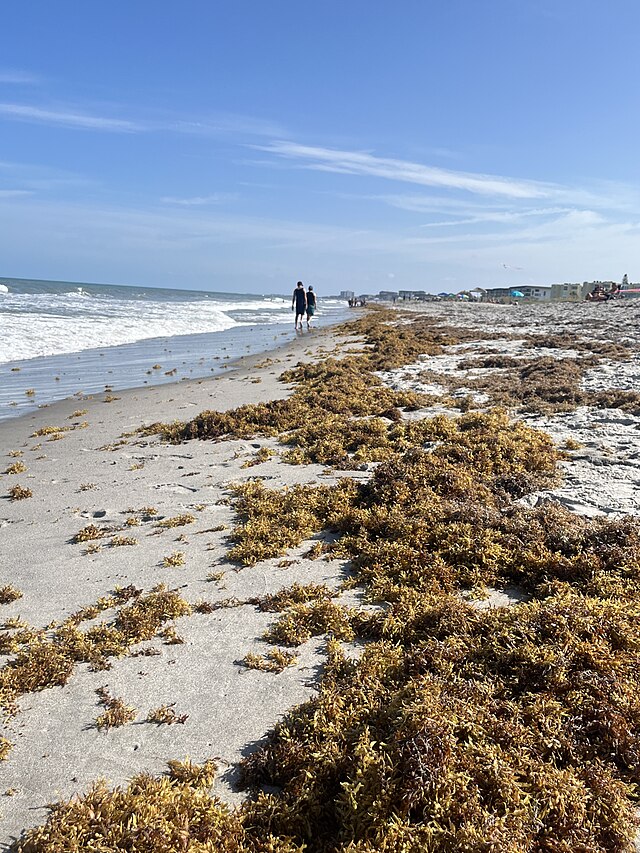
Mexicans may think it’s unlucky to have seaweed wash up on their beautiful beaches, but, looked at from the natural resource perspective, the country is truly fortunate to have a surplus of Sargassum seaweed! They just need to harvest it before it would ever reach the beach…. Harvesting the Sargassum from the coastal waters rather than after it reaches land is a lucrative business that also protects public health and tourism.

Organic Alcohol
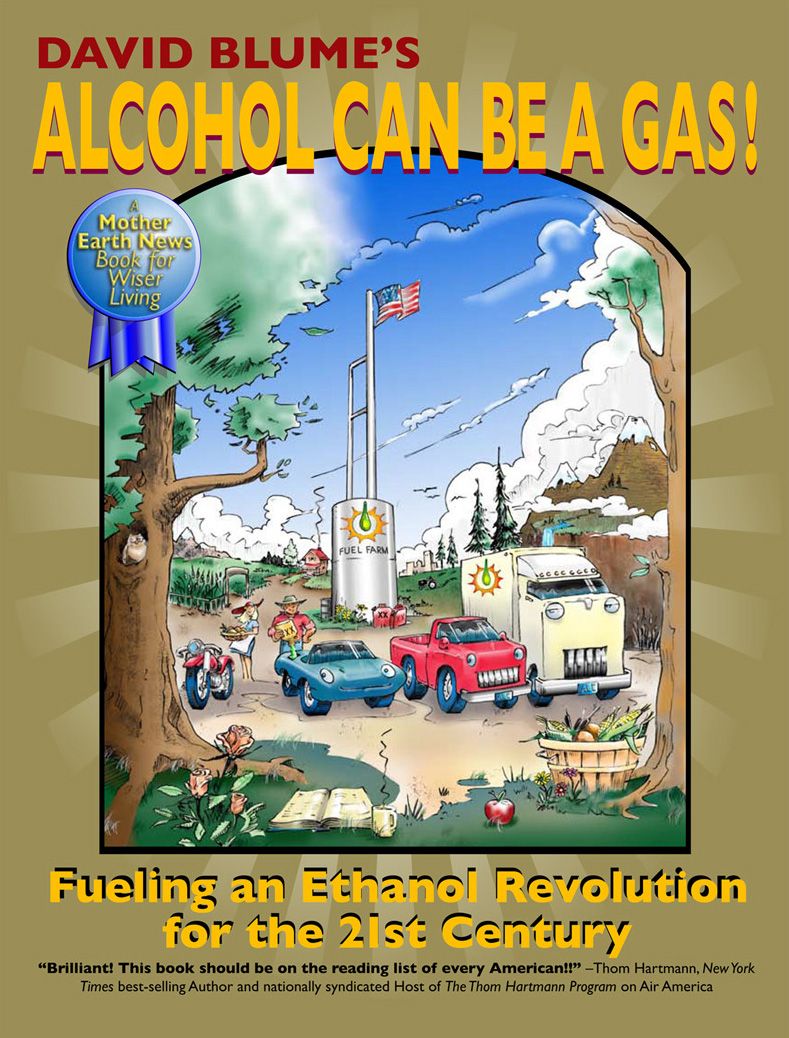
eBook Available for Alcohol Can Be a Gas! Fueling an Ethanol Revolution for the 21st Century

eBook Available for Alcohol Can Be a Gas! Fueling an Ethanol Revolution for the 21st Century

Alcohol Can Be a Gas! Fueling an Ethanol Revolution for the 21st Century is now available in digital format! It contains all of the content of the original hardcover version — aside from the index, which is no longer needed now that you can easily search the book! It’s in Kindle format and can be read on any device using a free reader. Alcohol Can Be a Gas! is an information-dense, highly readable, profusely illustrated manual, covering every aspect of alcohol fuel from history through crops, hands-on fuel production, and vehicle conversion. It’s the first comprehensive book on small- to farm-scale alcohol production and use written in 100 years. • Internally divided into six books, the single volume contains 640 8.5″ x 11” pages in its printed form, with more than 500 illustrations, charts, and photos, and sporting a 700-word glossary and a full index. It retains the original 1983 foreword by R. Buckminster Fuller. Alcohol Can Be A Gas! is a complete toolbox for farmers, green entrepreneurs, and activists to wrest control of our energy system from the Oilygarchy and put it back in the hands of the public.

Organic Alcohol
David Blume’s Appearances on  Coast to Coast A.M. Radio Show

David Blume’s Appearances on Coast to Coast A.M. Radio Show

Thirty-two appearances, so far. Check out the topics Dave talked about on this very popular show. “According to estimates by Talkers Magazine, Coast to Coast AM has a cumulative weekly audience of around 2.75 million unique listeners listening for at least five minutes, making it the most listened-to program in its time slot.” — Wikipedia

David Blume Consulting & Speaking
13 Reasons to Use Alcohol Fuel

13 Reasons to Use Alcohol Fuel

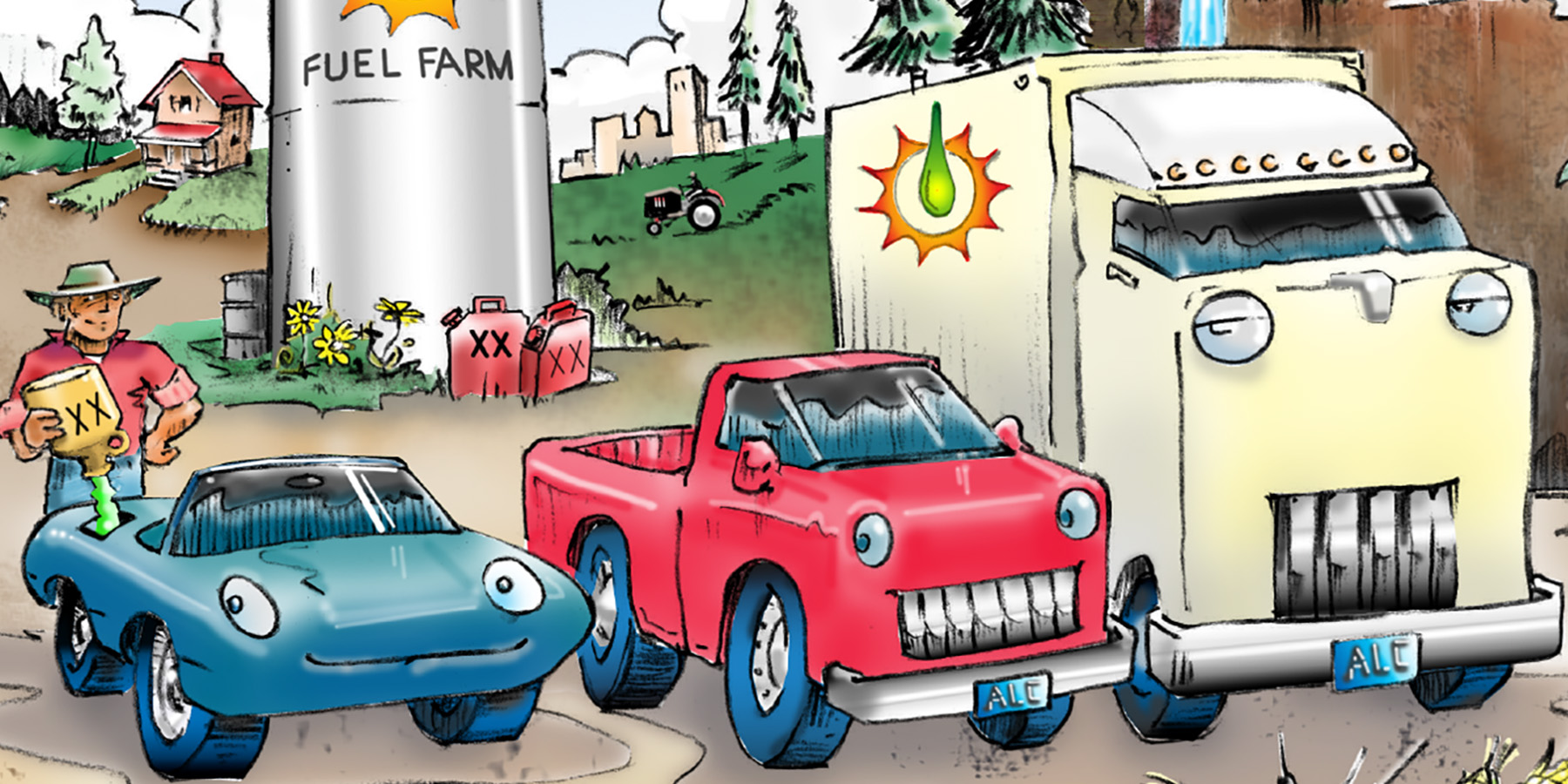
A quick look at reasons to use alcohol fuel instead of fossil fuels: 1. Almost every country can become energy-independent. Anywhere that has sunlight and land can produce alcohol from plants. Brazil, the fifth largest country in the world, imports no oil, since half its cars run on alcohol fuel made from sugarcane, grown on 1% of its land. 2. We can reverse global warming. Since alcohol is made from plants, its production takes carbon dioxide out of the air, sequestering it, with the result that it reverses the greenhouse effect (while potentially vastly improving the soil). Recent studies show that in a permaculturally designed mixed-crop alcohol fuel production system, the amount of greenhouse gases removed from the atmosphere by plants—and then exuded by plant roots into the soil as sugar—can be 13 times what is emitted by processing the crops and burning the alcohol in our cars. 3. We can revitalize the economy….

Organic Alcohol
Organic Alcohol

Organic Alcohol

A collection of information and resources on organic alcohol production as part of an elegant solution to a variety of ecological problems.

Organic Alcohol
R. Buckminster Fuller’s Foreword to Alcohol Can Be a Gas!

R. Buckminster Fuller’s Foreword to Alcohol Can Be a Gas!

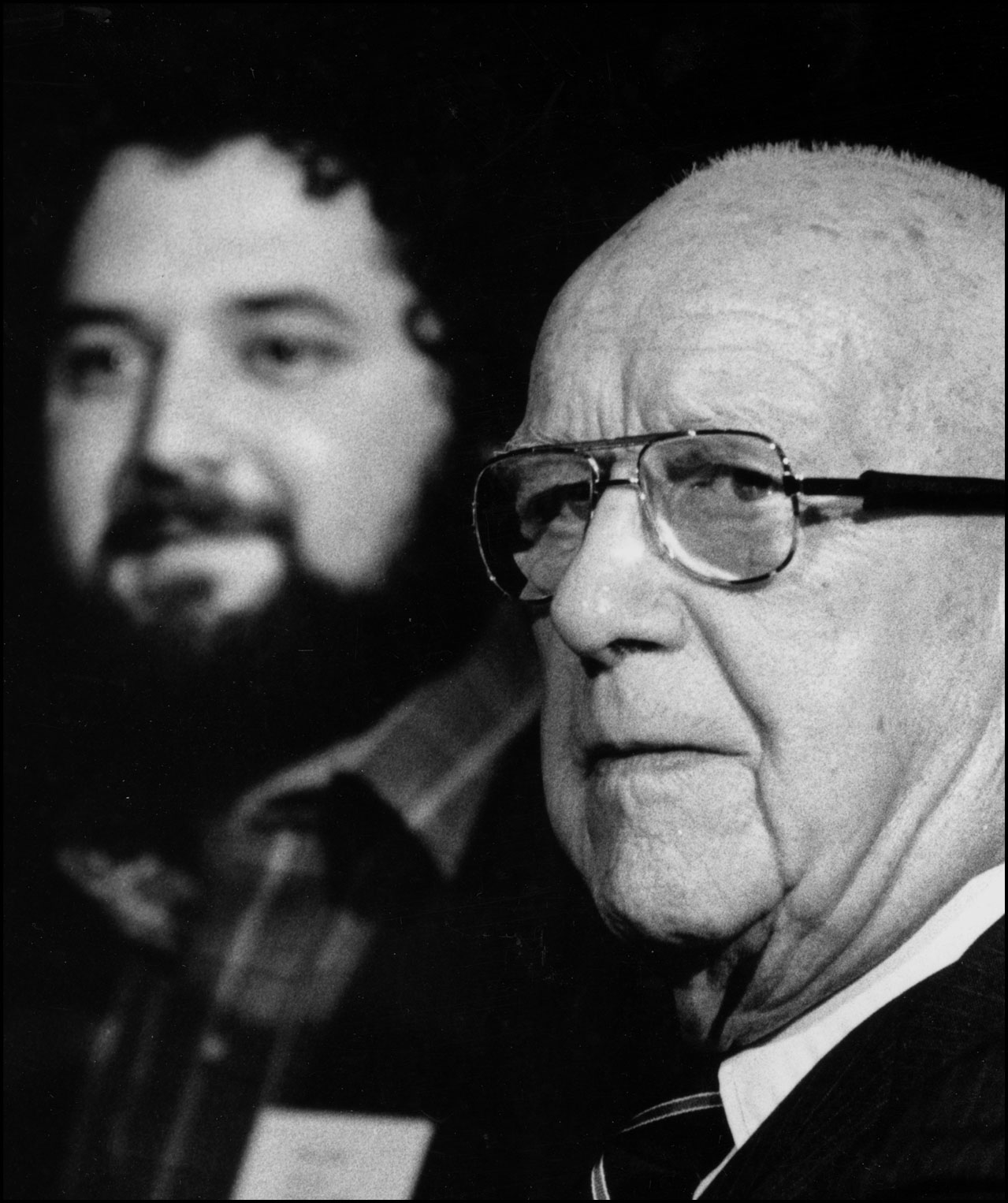
Bucky wrote the 1983 Foreword to the original version of my book, Alcohol Can Be a Gas! Fueling an Ethanol Revolution for the 21st Century. His influence has informed all my work across the decades. —David Blume

Organic Alcohol
The Permaculture Solution to Fossil Fuel Dependency

The Permaculture Solution to Fossil Fuel Dependency

Industrial agriculture and its components—oil-based fertilizers, pesticides, and herbicides—are harmful to the planet. A nationwide switch to organic farming is in order. But it can’t work if we maintain a monoculture-based system, with its present emphasis on corn farming. Much of America’s farmland is below 2% organic matter. At 2%, the soil biology collapses—and, with it, the fertility needed to grow crops. More and more chemical fertilizer is needed to prop up production on sterilized soil. A lot of people think that the “Green Revolution”—marked by the advent of monocultures, pesticides, herbicides, and chemical fertilizers some 60 years ago—produces more food per acre than older methods of agriculture. It emphatically does not. In fact, a Mexican campesino using simple hand tools to grow a polyculture of corn, beans, and squash can produce, on a dry-weight basis, far more food per acre than the farmer of the most modern U.S. Midwestern cornfield—food worth far more money on a net basis.

Organic Alcohol
Just How Inefficient Is Oil Production Anyway?

Just How Inefficient Is Oil Production Anyway?

University of Massachusetts biologist Jeffrey Dukes took a good hard look at what goes into making oil. Unlike other researchers, who appear to assume coal or crude oil are almost free forms of energy, Dukes studied just what Nature does to produce, and what man does to retrieve, crude oil.

Organic Alcohol
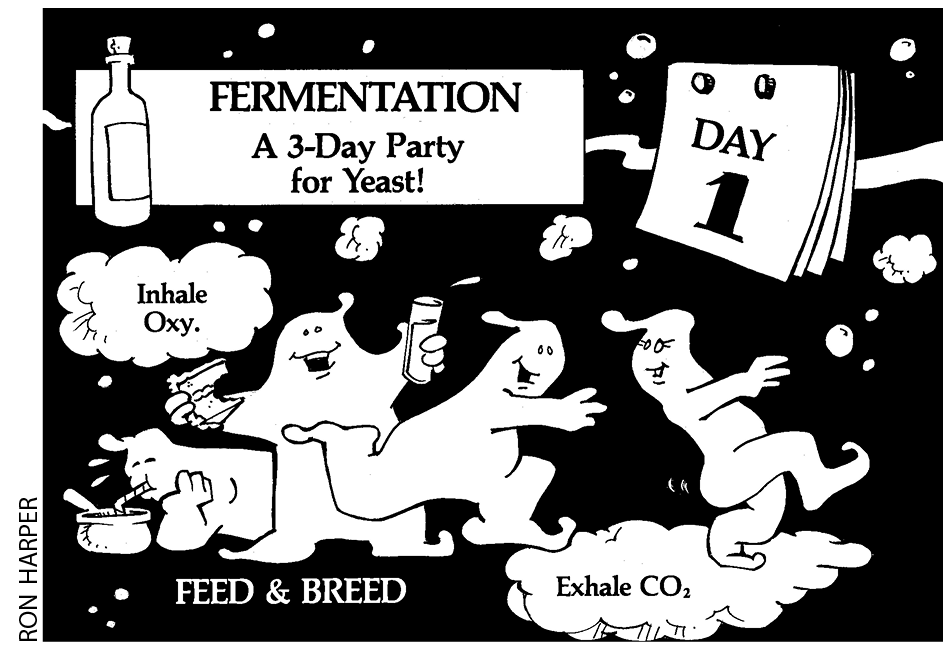
The Process and Benefits of Double Fermentation

The Process and Benefits of Double Fermentation

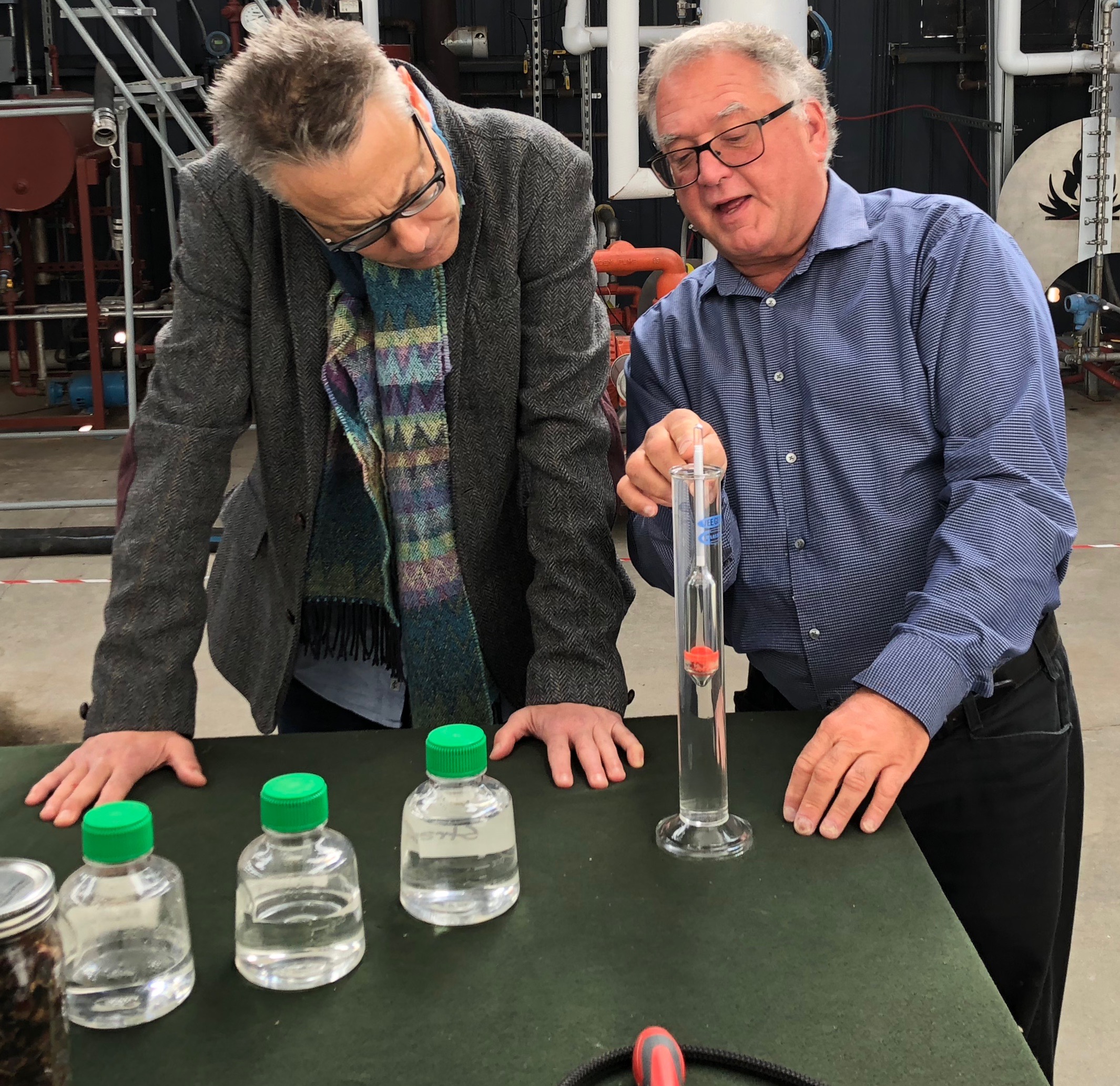
As part of our zero waste ethos at David Blume’s Whiskey Hill Farms & Science Center, we use two fermentation processes to produce alcohol and fertilizer. Instead of the current practice of treating most agricultural byproduct from agricultural operations as waste, this process turns this “waste” biomass into fertilizer and alcohol and reduces the waste stream going to the county landfill.

Organic Alcohol
Sustainable Agriculture’s Role in Climate Change

Sustainable Agriculture’s Role in Climate Change

I am often asked how I first learned about alcohol’s ability to run vehicles? I can still remember, as clear as a bell, talking about brewing beer (which was still illegal in 1974) with Doc Sweeney, one of my ecological biology professors at San Francisco State. He was infamous for telling students outrageous tall tales with a straight face just to see their reaction, or better yet, to see if he could get away with it.

Organic Alcohol
A Clear, Attainable Path to Thriving Without Fossil Fuels

A Clear, Attainable Path to Thriving Without Fossil Fuels

I am often accosted by people whom I would normally consider my colleagues. They are typically environmental activists informed by what they read on the Internet, people who watched An Inconvenient Truth, people who are aware of Peak Oil, sustainable agriculture, and climate change. They say “Dave, don’t you know that fossil fuels, (and fossil-fuel-based fertilizers) are beginning to run out and ‘There Is No Alternative’? [My acronym for this is “TINA”.] The only thing we can do is stop driving, stop using energy, walk to our green jobs in the new localized economy, and go back to farming by hand. Power down….”

Organic Alcohol
David Blume’s Clean Homegrown Energy

David Blume’s Clean Homegrown Energy

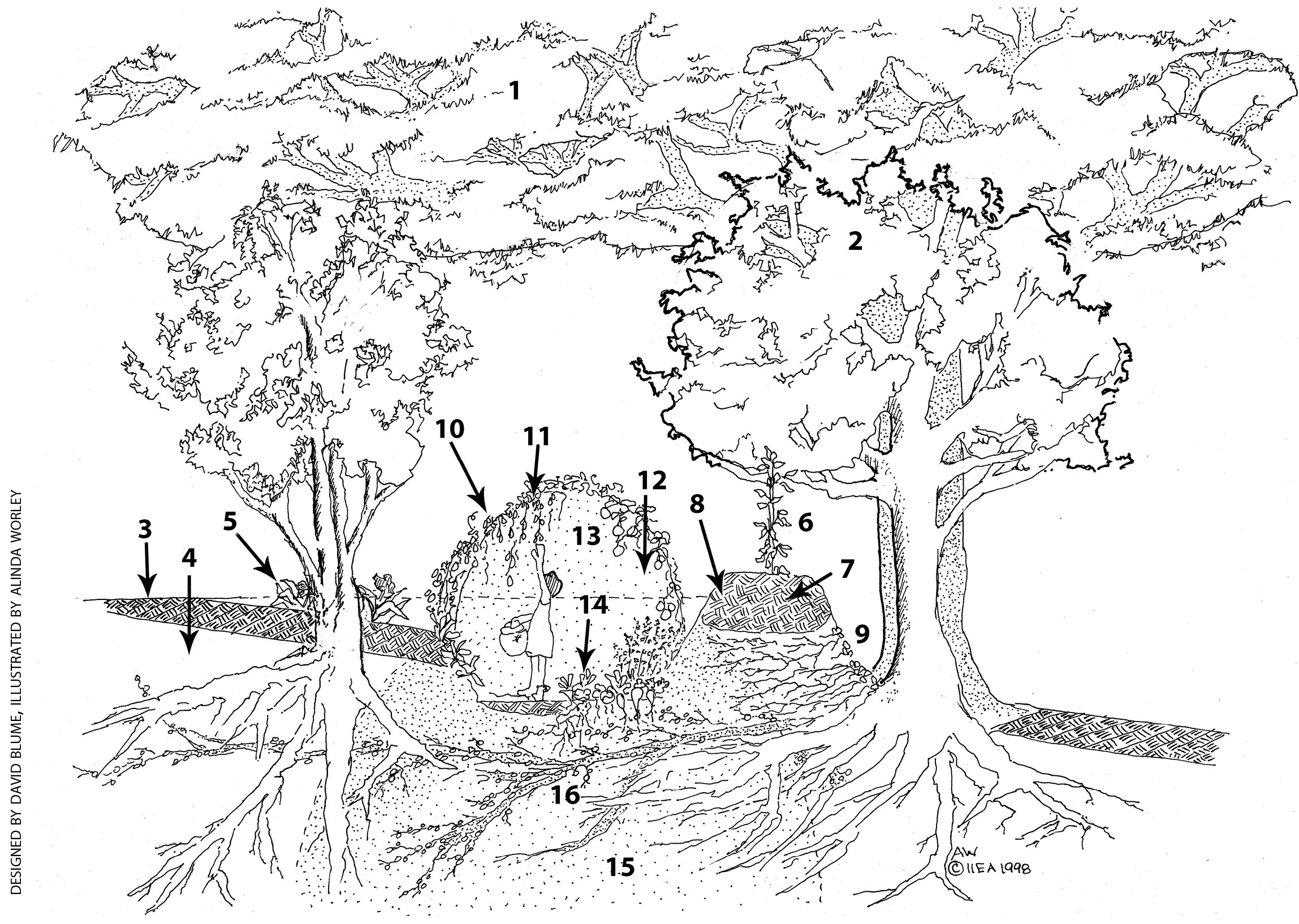
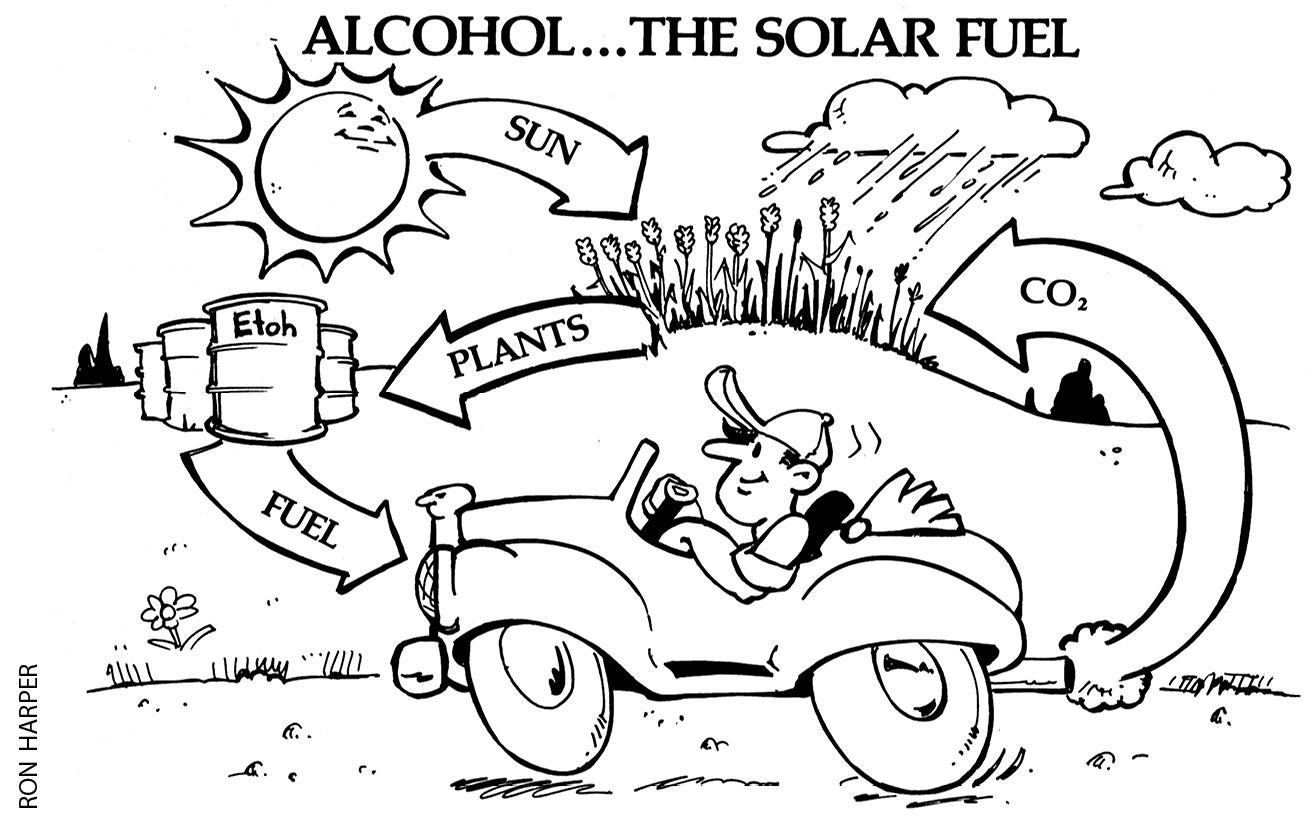
We know the solution to fossil fuel dependency. With permaculture design and practices, we can reverse global warming. We can convert our energy use from Earth-destroying fossil fuels to ecological, local-scale alcohol fuel. Since alcohol is made from plants, its production takes carbon dioxide out of the air, sequestering it, with the result that it reverses the greenhouse effect (while potentially vastly improving the soil).

Organic Alcohol
About Carbon Dioxide in the Air

About Carbon Dioxide in the Air

Alcohol combustion and fermentation both emit carbon dioxide, and anti-alcohol propagandists are quick to allege that distillation and use of alcohol as a fuel aggravates the already high levels of CO2 in the air. But permaculturally designed alcohol fuel production actually allows us to reduce carbon dioxide emissions.

Organic Alcohol
Meat-Eating Trees

Meat-Eating Trees

Springtails are microscopic creatures that jump through the soil using a powerful tail; they are very common in the rhizosphere (root zone) of plants and trees. Scientists studying springtail feeding habits wanted to know how much of the mycorrhizal fungi springtails consumed. This experiment was analogous to seeing how much pizza a teenager could eat. But instead of the expected result, the pizza jumped off the table and ate the teenager!

Organic Alcohol

David Blume’s Classic Talk on Alcohol Fuel

This compelling two-and-a-half-hour talk by David Blume provides an entertaining and thorough introduction to the topic of alcohol fuel.

Organic Alcohol

David Blume: Flex-Fuel Cars and Alcohol Cookstoves

A short video introduction to some of the ways that alcohol fuel — also called ethanol — can transform people’s lives and the planet.

Organic Alcohol

How George Washington Encouraged Moonshining

In this short video, David Blume explains how George Washington inadvertently encouraged the making of moonshine.

Organic Alcohol
Whiskey Hill Farms’ Clean-Fuel Revolution

Whiskey Hill Farms’ Clean-Fuel Revolution

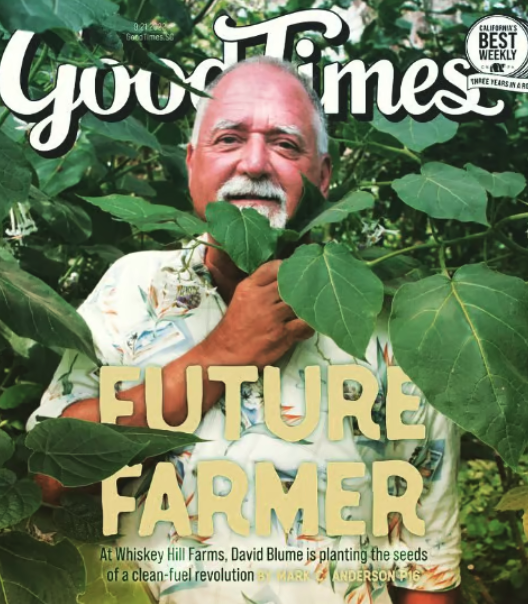
We are pleased to share, with permission, the article Whiskey Hill Farms’ Clean-Fuel Revolution from the Good Times newsletter, by Mark C. Anderson. • The Watsonville operation’s mastermind David Blume’s big picture also involves preventing food waste and hunger on a global level • Whiskey Hills and Blume Industries can convert everything from walnut husks to surplus candy into fuel, pharmaceutical-grade ethanol and spirits of varying proofs. • David Blume’s closed-loop gospel has taken him all over the world, but a main focus of his current work is educating Watsonville-area farmers on permaculture practices. • Way out off a rural road in Watsonville, a full-on tropical forest bursts with life. Hundreds of fruiting plants, 450 all told, fill a large greenhouse. The jungle pops with passionfruit blossoms, big bunches of bananas, mountain papayas, tropical spinach and multiple types of South American “tree tomatoes” (aka tomarillos). But it’s just one of the fascinating elements at Whiskey Hill Farms. So many eye-catching things are thriving here, in fact, that it can be easy to miss the big picture—even if the big picture involves preventing war, food waste, hunger and carbon monoxide poisoning.

Organic Alcohol
Contact David Blume.
Also see WhiskeyHillFarms.com and AlcoholCanBeAGas.com.

Copyright © 2025 permaculture.com.

Powered by PressBook Premium theme