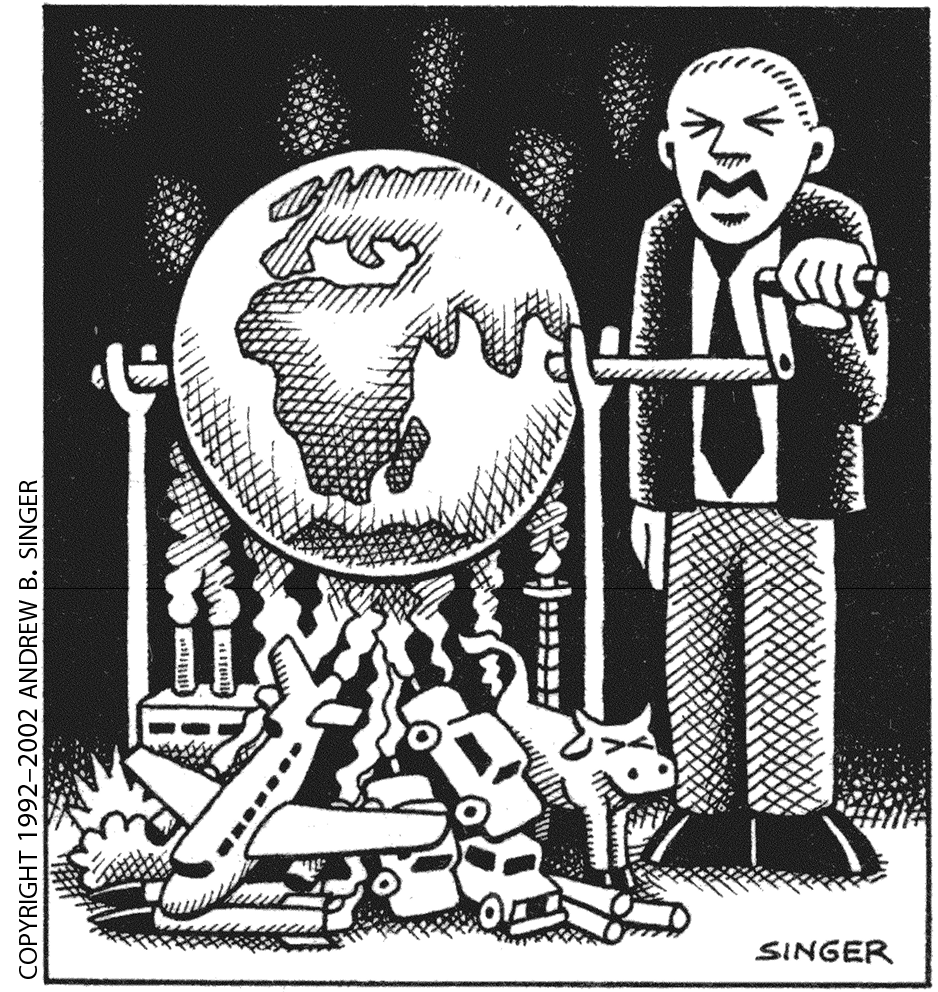
Our Permaculture Solution to Fossil Fuel Dependence charts a clear, attainable path that will work—and that is, in fact, already in motion. This path, in the best traditions of martial arts, turns the forces destroying our planet back against the plunderers, and puts both the power and the responsibility for implementing the solution in the hands of ordinary people, working together at the local level.
David Blume
I am often accosted by people whom I would normally consider my colleagues. They are typically environmental activists informed by what they read on the Internet, people who watched An Inconvenient Truth, people who are aware of Peak Oil, sustainable agriculture, and climate change.
They say “Dave, don’t you know that fossil fuels, (and fossil-fuel-based fertilizers) are beginning to run out and ‘There Is No Alternative’? [My acronym for this is “TINA”.] The only thing we can do is stop driving, stop using energy, walk to our green jobs in the new localized economy, and go back to farming by hand. Power down.”
They also say, “The reason we are in this mess—polluted air, lung cancer, melting ice caps, drowning polar bears, food traveling 10,000 miles from farm to eater, horrible wars for oil, MTBE-poisoned groundwater, massive monoculture farms growing animal feed to be shipped to other countries to feed their rich people’s cattle, requiring billions of gallons of pesticides—is all because of the internal combustion engine and cheap fossil fuels. Why are you writing a book which is all about making it possible for American soccer moms to drive their massive SUVs while the rest of the world starves for basic energy and food?”
They say, “Don’t you get it?!!”
Believe me, I get it. I agree that we, particularly in the United States, are using and wasting a disgustingly huge quantity of energy. My fellow ecologists have a deep knowledge of natural systems, and we find ourselves every day walking through a world of horrible environmental wounds that we cannot help seeing.
Conservation and, more importantly, good design are the basic foundations on which to plan our energy future.
This book is not about providing unlimited clean fuels for SUVs. It’s about shaping energy policy now with our own individual and group actions, to make sure the energy future we get is the one we want and not the one the Oilygarchy is planning for us. This book is about maintaining your power and hope in the face of “this mess.” It charts a clear, attainable path that will work—and that is, in fact, already in motion. This path, in the best traditions of martial arts, turns the forces destroying our planet back against the plunderers, and puts both the power and the responsibility for implementing the solution in the hands of ordinary people, working together at the local level.
This is why I refuse to give in to a philosophy of despair, why I refuse to surrender to those who plunder the planet, although so many of us have given them our permission to destroy the Earth under the banner of TINA. TINA allows the powerful to decide which energy we will use to pollute our planet.
And while people in developed countries may practice a little well-meaning conservation, they will not be willing to return to a world where the basic unit of energy is their human labor. The multinational energy corporations know this, and they are planning their transition to fuels that make petroleum look like Mr. Clean. A dying planet is of secondary importance to these people.
In many ways, my strident colleagues are correct when they say that the central cause of our planet’s woes can be characterized by our use of engines and fossil fuels. But they are wrong about TINA.
The central solution, which ripples out to every corner of the planet, is to replace fossil fuels with available solar-based fuels all over the planet. As you will see, even in a cursory examination of this idea, this alternative is powerful, inexpensive, fast, and effective—and will regenerate ecological systems, if done properly.
David Blume
It is possible to make ethanol using a badly designed industrialized model, one that corporate agribusiness currently employs. In this system, biofuels production would amplify the abuses to our environment.
But a permaculturally designed ethanol system provides us with surpluses of local food, energy, community, and power—all while deepening our topsoil, eliminating the use of toxic agrichemicals, and reversing global warming.
It’s about doing things on a human scale, and, as you will see, the human scale has virtually all the advantages in this struggle. Our energy/food production system can either affirm our living environment or treat the Earth as one big strip mine to exploit.
Yes, there is an alternative to a chaotic post-petroleum world. But it will take your help, blood, and sweat to make it happen. In fact, it’s going to take a revolution.
Share. Organize. Win. —David Blume, A form of this text appeared in the Preface of Dave’s book, Alcohol Can Be a Gas! Fueling an Ethanol Revolution for the 21st Century.
More About Organic Alcohol
Profitable Surplus: Sargassum Solutions
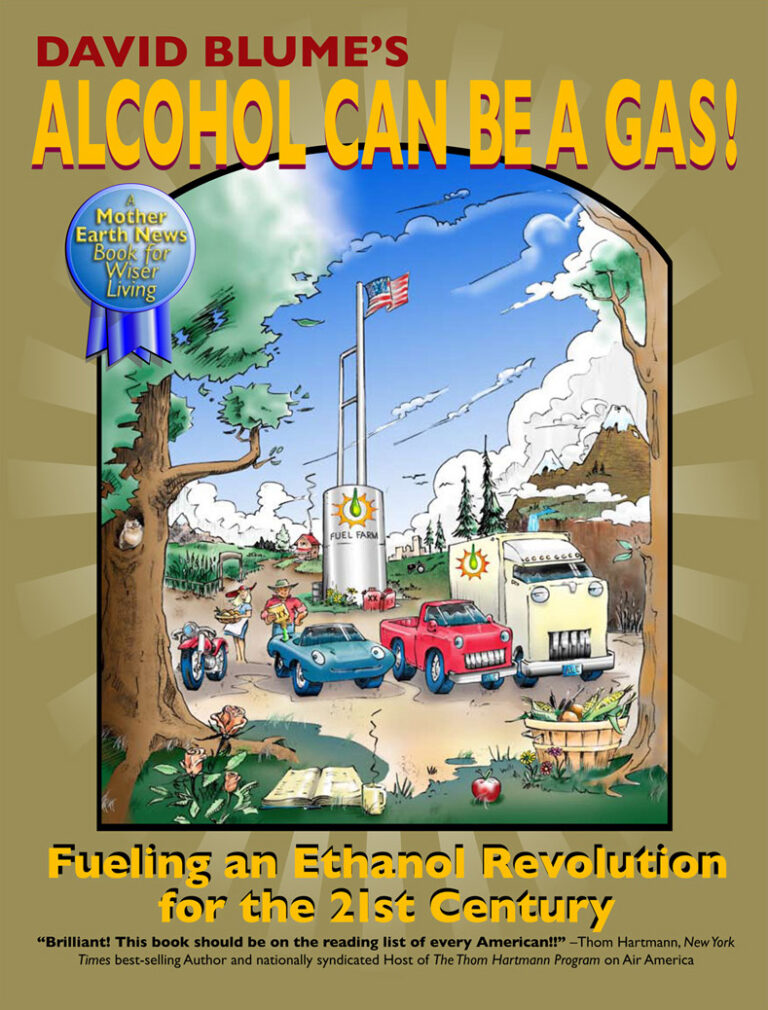
eBook Available for Alcohol Can Be a Gas! Fueling an Ethanol Revolution for the 21st Century
David Blume’s Appearances on Coast to Coast A.M. Radio Show
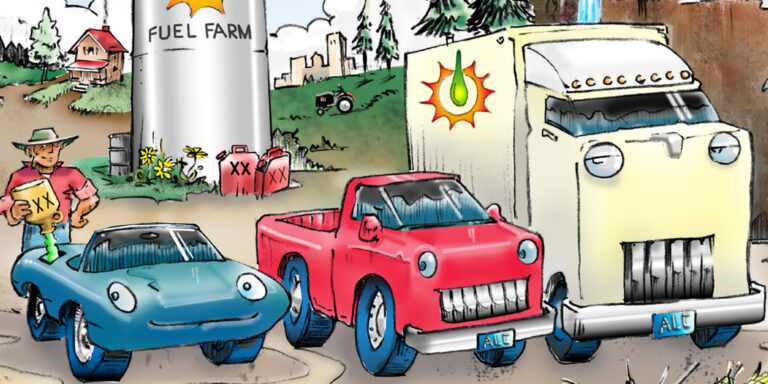
13 Reasons to Use Alcohol Fuel
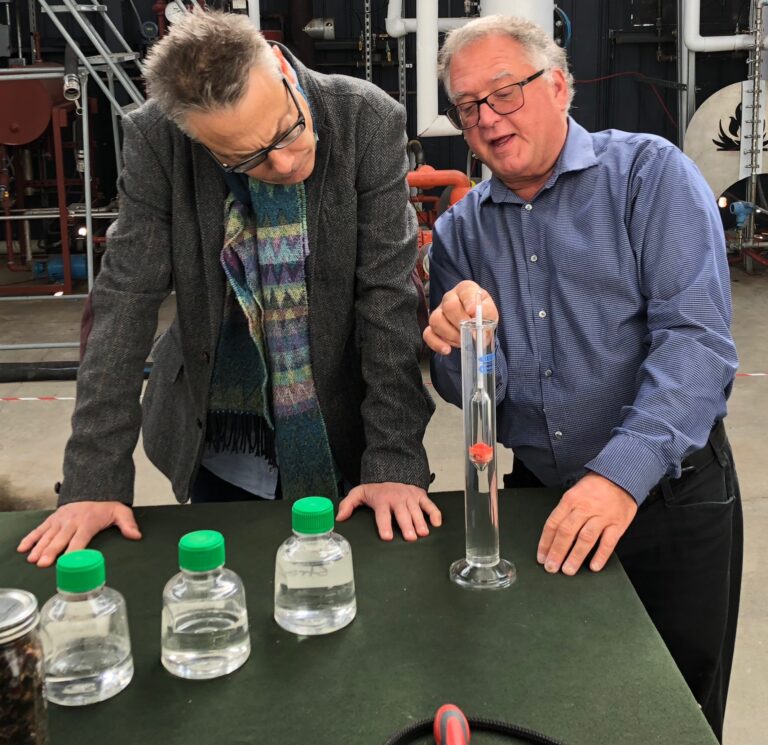
Organic Alcohol
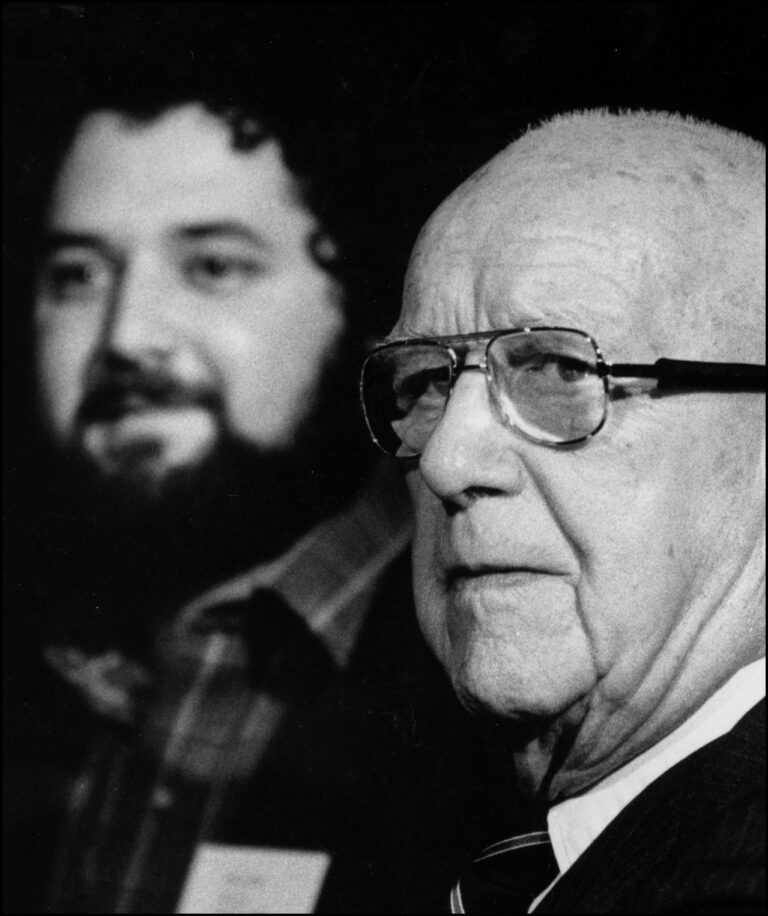
R. Buckminster Fuller’s Foreword to Alcohol Can Be a Gas!
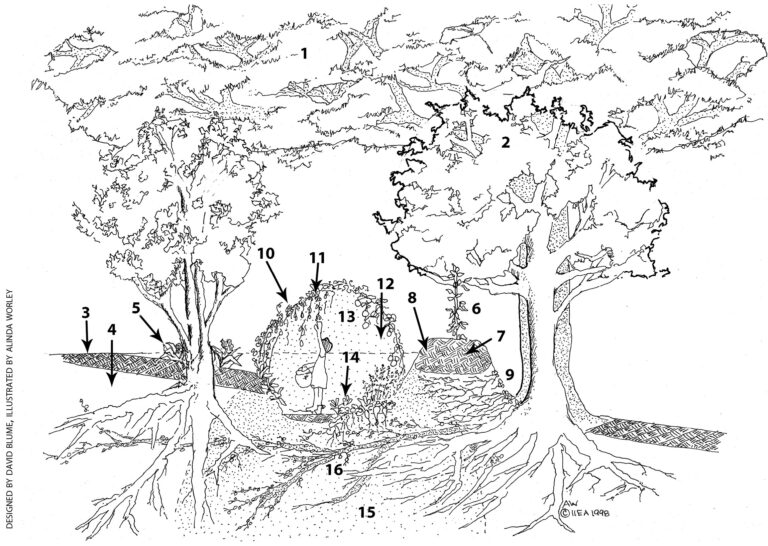
The Permaculture Solution to Fossil Fuel Dependency

Just How Inefficient Is Oil Production Anyway?

The Process and Benefits of Double Fermentation
Sustainable Agriculture’s Role in Climate Change
David Blume’s Clean Homegrown Energy
About Carbon Dioxide in the Air
Meat-Eating Trees
David Blume’s Classic Talk on Alcohol Fuel
David Blume: Flex-Fuel Cars and Alcohol Cookstoves
How George Washington Encouraged Moonshining